What OSIRIS is
OSIRIS is an independent educational and health-information platform. Its analyses are intended to support understanding of medical information and preparation for consultations with qualified healthcare professionals.
It is an international, English-language platform for medical students, patients, and people interested in anatomy, physiology, diagnostic principles, and their own health. It helps users organise medical information, examine relationships between clinical parameters, and prepare structured records for consultations.
OSIRIS is not a hospital, a clinic, or a replacement for professional medical care. Doctors remain responsible for clinical decisions, diagnosis, prescriptions, and treatment. A doctor can review the patient’s factual medical information without accepting or relying on OSIRIS interpretations.
Contact
The site is published at wellbeingdesign.uk. For privacy questions, email osiris@wellbeingdesign.uk.
OSIRIS is an independently developed project. This notice is written for readers in the United Kingdom, the United States, and other countries. People in the United Kingdom can use the rights below and can complain to the Information Commissioner’s Office at ico.org.uk. People elsewhere can use the same email address to ask about their information. Local law may give them additional rights.
Information entered without an account
You can enter diagnostic information without registering. That information stays in the browser’s memory for the visit. It is not written to browser storage and it is not saved in the account database. If you register or sign in during the same visit, information still held in memory can be saved to the account.
Account and sign-in
Registration asks for a first name, surname, email address, and password. A telephone number is optional.
The account record holds the email address, name, surname, a one-way password hash, the times the account was created and updated, a sign-in version, and an OSIRIS account id. The password itself is not stored. A telephone number you enter is kept in the profile.
A signed-in session uses a token stored in the browser. It expires after seven days, unless a different lifetime has been set on the server. Signing out removes the token from that browser and invalidates existing tokens for the account. Resetting the password, and changing the login email address, also invalidate existing tokens. Signing out does not delete the account.
Password-reset email is sent from osiris@wellbeingdesign.uk. The link expires after 60 minutes. OSIRIS stores a hash of the reset token.
To limit repeated attempts, OSIRIS briefly stores the email address used, or the visitor’s network address, together with a count. This covers sign-in, registration, password reset, and a change of login email. The record lasts 15 minutes or one hour, depending on the action, and then it expires. It is not part of the medical record.
Health information
If you are signed in, the saved profile can include what you enter:
- name, surname, email, and an optional telephone number
- symptoms and questionnaire answers
- age, sex, height, and weight
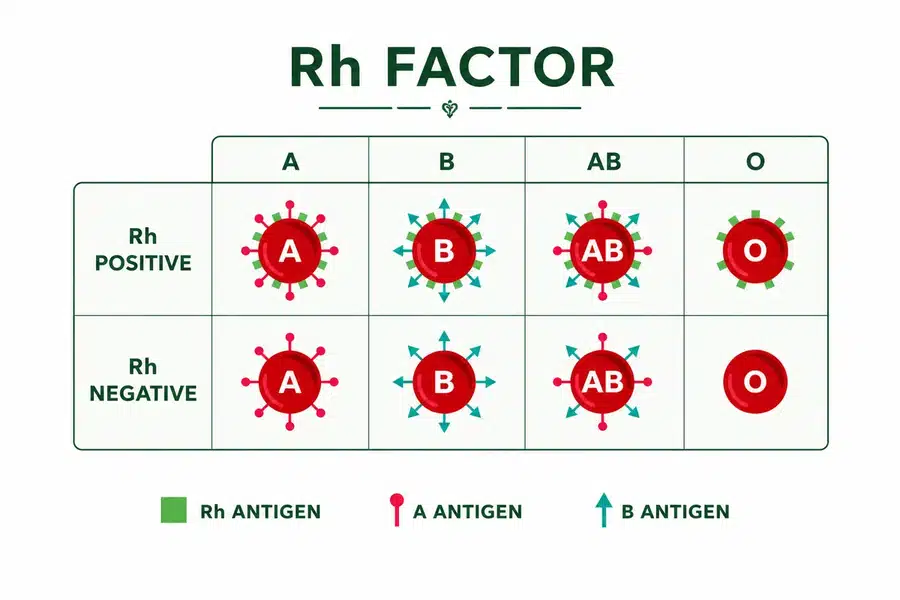
- blood type and Rh factor
- conditions and medications
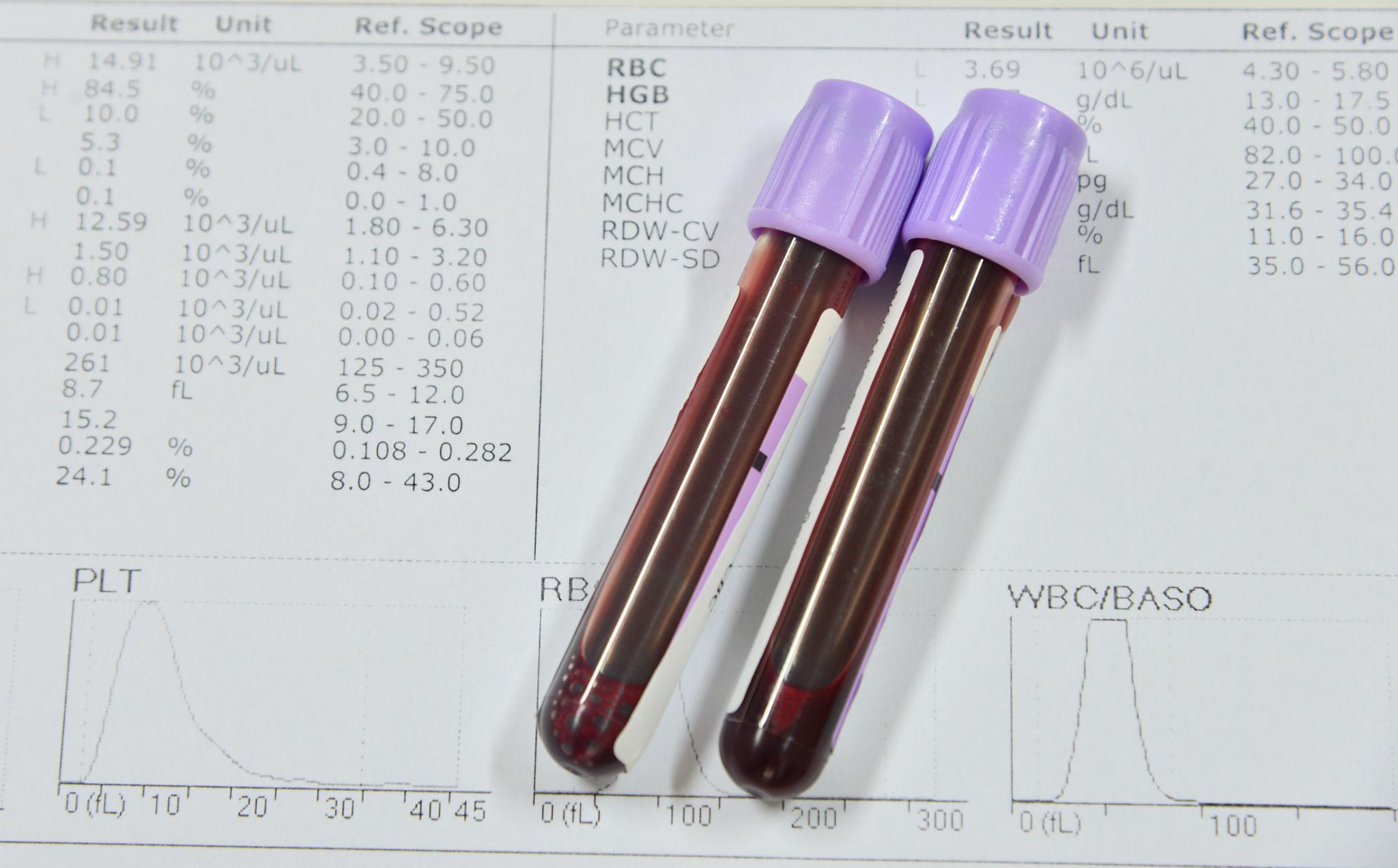
- laboratory values and vital signs
- results from the OSIRIS analysis functions
- ECG measurements
- EQUIREVITAL records and timeline
- imaging information saved into that profile
Name and email are ordinary personal information. Symptoms, conditions, medicines, measurements, images, and analysis results are health information.
ECG and radiology images
Analysing an ECG image or a radiology image requires a signed-in account. Without a valid sign-in, the server refuses the upload and does not store an analysis record.
When a model key is configured, the image and the analysis instruction are sent to the provider named below. The analysis record keeps the file name, file type, size, time, the extracted result, and a short copy of the model reply. It does not keep the image itself.
If you are signed in, OSIRIS can also keep up to 20 ECG images and up to 20 radiology images in the EQUIREVITAL part of the profile. Those copies are stored with the profile in the database and in browser storage on a device where you are signed in.
Doctors and GP email
You can search for another OSIRIS account by email and request access. Nothing clinical is shared until that person accepts. You can cancel a pending request and withdraw access after it has been accepted.
An accepted doctor can read the stored record: identity details, including a telephone number if it is in the profile; age, sex, height, weight, and blood type; questionnaire and diagnostic material; medications and conditions; EQUIREVITAL, including images archived there; and stored ECG and radiology analysis records. Messenger is not part of that record.
“Ask GP” builds a message in your browser and opens your own email program, addressed to the GP email you type. OSIRIS does not send that email and does not keep a GP address book. The message includes patient details and suggested test names, and leaves out OSIRIS diagnosis narratives and AI interpretation fields.
Messenger
Messenger is for signed-in accounts. A search returns name, surname, and email. It does not return a medical record.
Message text is stored for the conversation. Each person controls what they themselves can still see. Attachments — documents, images, or audio, up to 15 MB, and only in the types the server allows — are stored as files on the API server. A file can be downloaded only by a participant who can still see a message that refers to it. An old link does not override that rule. The link can contain the sign-in token. A token that has been signed out, reset, or replaced is refused.
Every conversation starts on manual deletion. A 24-hour, 48-hour, or 7-day period applies only if you choose it for your own view. Your choice does not change the other person’s messages or files. An existing conversation stays on manual deletion until the person who wants a shorter period selects it.
Remove contact takes that person off your list. Their account, their copy of the conversation, their files, and any medical record remain. You can add them again by search. A new message from them can bring the conversation back, including the earlier history.
Delete conversation clears history for you only. Messages from before that moment stay hidden after a refresh or a later sign-in. The person remains in your list. The other person keeps their messages and files. A message sent after the clear appears in the usual way.
A message and its file are removed from the server when every remaining participant’s own time limit has passed for that message. Until then, a person who can still see the message can still open the file. An upload that never becomes a message is removed after about one hour.
OSIRIS keeps a short record when you remove a contact, clear your own copy of a conversation, change your retention setting, or when a new message restores a contact you had hidden. The record contains the account id, the action, the conversation id, the time, and the retention choice. It does not contain the message text or the file. These records are kept, and deleting the account does not delete them.
If you delete your account, your own Messenger messages, the files you uploaded, and your own visibility settings are deleted. Messages and files sent by the other person remain available to them. Your name, email, and account id are removed from that conversation. OSIRIS does not put a substitute name in their place.
Why information is used
OSIRIS uses information to create and run an account, sign you in, limit repeated attempts, keep the profile you choose to save, run its analysis functions, analyse an ECG or radiology image you submit while signed in, show EQUIREVITAL, share a record with a doctor you invite, carry Messenger between two accounts, apply the Messenger choices you make, and send a password-reset email you request.
There is no marketing list. Password reset is the only email the server sends.
Who else receives it
The public pages are hosted by IONOS at wellbeingdesign.uk. Account, profile, image-analysis, doctor-access, and Messenger services run on the API hosted by DigitalOcean at monkfish-app-wwyrf.ondigitalocean.app. Those records are stored in MongoDB Atlas. Messenger files are stored on the API server’s disk.
Password-reset email goes through IONOS, from osiris@wellbeingdesign.uk.
Typefaces are requested from Google at fonts.googleapis.com, and the font files are then requested from fonts.gstatic.com. Google receives the browser’s network address and the fact that a page was loaded. OSIRIS does not use this for advertising.
Where a model key is configured, an ECG or radiology image is sent to OpenAI, or through an Emergent integration to an OpenAI model. Which of those is active is a server setting. OpenAI is a provider in the United States when that path is used. This notice does not state which key is live, or how long that provider keeps the image.
Information also goes to a doctor who has accepted access, to the other person in a Messenger conversation, and to a GP when you send the email from your own email program.
How long it is kept
The profile, EQUIREVITAL, analysis records, and Messenger content are kept until you remove them as described in this notice, or until you delete the account, subject to the limits below.
Messenger stays on manual deletion until you choose 24 hours, 48 hours, or 7 days for your own view. Password-reset records expire after 60 minutes. Attempt counters expire after 15 minutes or one hour.
Deleting an account
You can permanently delete the account from the profile area, on its own row under Update Profile and Log Out. OSIRIS asks for the current password and for the word DELETE.
When deletion completes, OSIRIS deletes the account and password hash, the saved profile, including diagnostic results, EQUIREVITAL history, and images stored in that profile, ECG and radiology analysis records linked to the account, older medicine and condition records, and doctor-access links for that account. Your own Messenger messages, files, and visibility settings are deleted. The other person’s messages and files remain, without your name, email, or account id. The short Messenger records described above are not deleted.
“Account deleted successfully” appears only after those account records and files have been removed. If the account is already gone and a file still has to be removed, the screen says that file removal will be retried.
Some copies sit outside this action. Database backups, where the operator has them, follow the host’s backup period, which is not set in the application. Images already sent to OpenAI, or through Emergent, follow that provider’s retention. Password-reset emails already sent remain in mail systems. Server logs may keep an email address from a failed reset for as long as the host keeps the logs. Another browser can keep a local copy of the profile until it next opens OSIRIS. After the account is gone, a saved sign-in token cannot open it.
An ECG or radiology analysis stored before sign-in was required, if any such record still exists, is not linked to an account and is not removed when an account is deleted.
There is no control in the product to download a copy of the stored record. For a copy, email osiris@wellbeingdesign.uk.
Security
Passwords and reset tokens are stored as one-way hashes. The public site and the API are reached over HTTPS. A Messenger file is returned only to a participant who can still see the related message.
The sign-in token is kept in browser storage. A Messenger file link can also carry that token. This notice does not describe encryption of the database at rest, because that setting belongs to the host and is not visible in the application.
Access, correction, and deletion
You can ask for access to the personal information OSIRIS holds, ask for a correction, and delete the account yourself. In Messenger you can hide a contact, clear your own copy of a conversation, or set your own retention period. Where a right to a portable copy or to object applies, email osiris@wellbeingdesign.uk. The same address is the route if deletion cannot be completed in the product.
People in the United Kingdom can complain to the Information Commissioner’s Office at ico.org.uk.
OSIRIS does not ask for proof of age when an account is created. Age may be entered as part of a health profile.
The service
OSIRIS is the digital diagnostic and decision-support tool published by Wellbeing Design at wellbeingdesign.uk. These terms cover use of that site, the account, and the connected API. The operator’s registered legal name and address are not stored in the software and still need confirmation. Contact: osiris@wellbeingdesign.uk.
Permitted use
You may use OSIRIS to enter health information, run its analysis functions, keep a profile if you register, and use Doctor View, GP contact, and Messenger as those features are built. Read the Medical Disclaimer before relying on a result.
Accounts
You are responsible for the email address and password you choose, and for activity under your sign-in. The password must be at least 6 characters. Keep the sign-in token on devices you control. Tell us at the contact address above if you believe the account is being used without your permission.
You can delete the account from the profile area. Deletion asks for the current password and an explicit confirmation, and it removes the records described in the Privacy Policy. There is no in-product control to download a copy of the stored record. A download request has to be sent by email.
Information you supply
You are responsible for information you enter, upload, or send. OSIRIS results depend on it. Do not upload another person’s information unless you are allowed to do so. Doctor sharing, Messenger, and the GP mailto step send information to the people you choose, in the ways described in the Privacy Policy.
Intellectual property
The OSIRIS interface, text, and software are operated by Wellbeing Design. You keep the information you enter. You do not receive a right to copy the software or to present the service as your own.
Misuse
Do not attempt to break into accounts or the API, interfere with the service, send unlawful content through Messenger, or use OSIRIS to harm another person. Access can be refused where misuse is found. These terms do not add a silent change to how diagnosis, Doctor View, or Messenger work.
Availability and changes
The site and API can be unavailable, and features can change. ECG and radiology image analysis run only when the server has a model key configured. If it does not, that analysis is refused.
Third-party services
Accounts and records are handled by the DigitalOcean API and a MongoDB database. Password-reset email goes through IONOS. ECG and radiology images are sent to the configured vision provider (OpenAI, directly or through the Emergent integration). GP messages leave through your own email program. Fonts are requested from Google. Those services have their own terms.
Limits
OSIRIS can produce incomplete or incorrect results. It is not a qualified clinician and it is not a basis, on its own, for an urgent or emergency decision. Nothing in these terms excludes liability that UK law does not allow to be excluded, including liability for death or personal injury caused by negligence, or for fraud.
Law
These terms are written for the UK service. They are intended to be governed by the law of England and Wales, and the courts of England and Wales are the intended venue. The contracting legal entity is not named in the software, so that choice of law still needs the operator’s confirmation.